Shifting charging into cheaper hours
With day-ahead prices, the same session can cost very different amounts depending on when it runs. Smart charging picks the window for you.
By Obelisk team
Day-ahead electricity prices change hour by hour. A vehicle that needs four hours at 11 kW draws the same energy whenever it charges, but the cost of that energy depends entirely on which four hours it uses.
Why the window matters
Evening peaks are usually the most expensive part of the day, exactly when most drivers arrive home and plug in. Letting every vehicle start at full power on arrival puts the load where energy costs most and the grid is under most pressure.
What smart charging does
Moves sessions into low-tariff windows automatically.
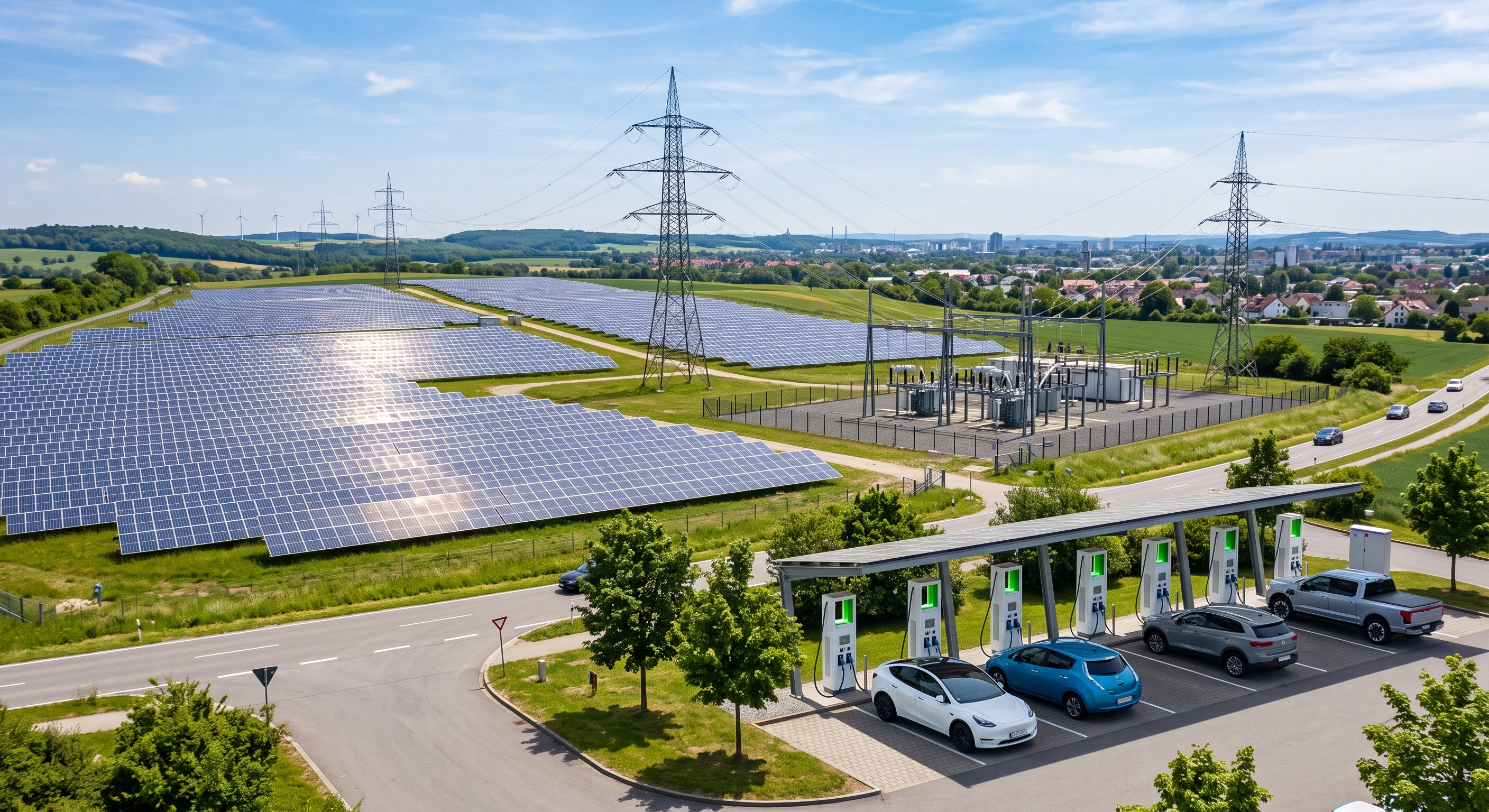
Uses on-site solar production before buying grid power.
Keeps the site under its grid connection limit.
Respects departure times so vehicles are ready when needed.
Try it yourself on the EMS product page: drag the charging window across a day of prices and watch the session cost change.