Turn parking into metered, monitored revenue.
Obelisk runs multi-station infrastructure for owners of car parks, retail sites, hotels and business parks. One platform prices every session, keeps the charging points online, and settles the money to the right party.
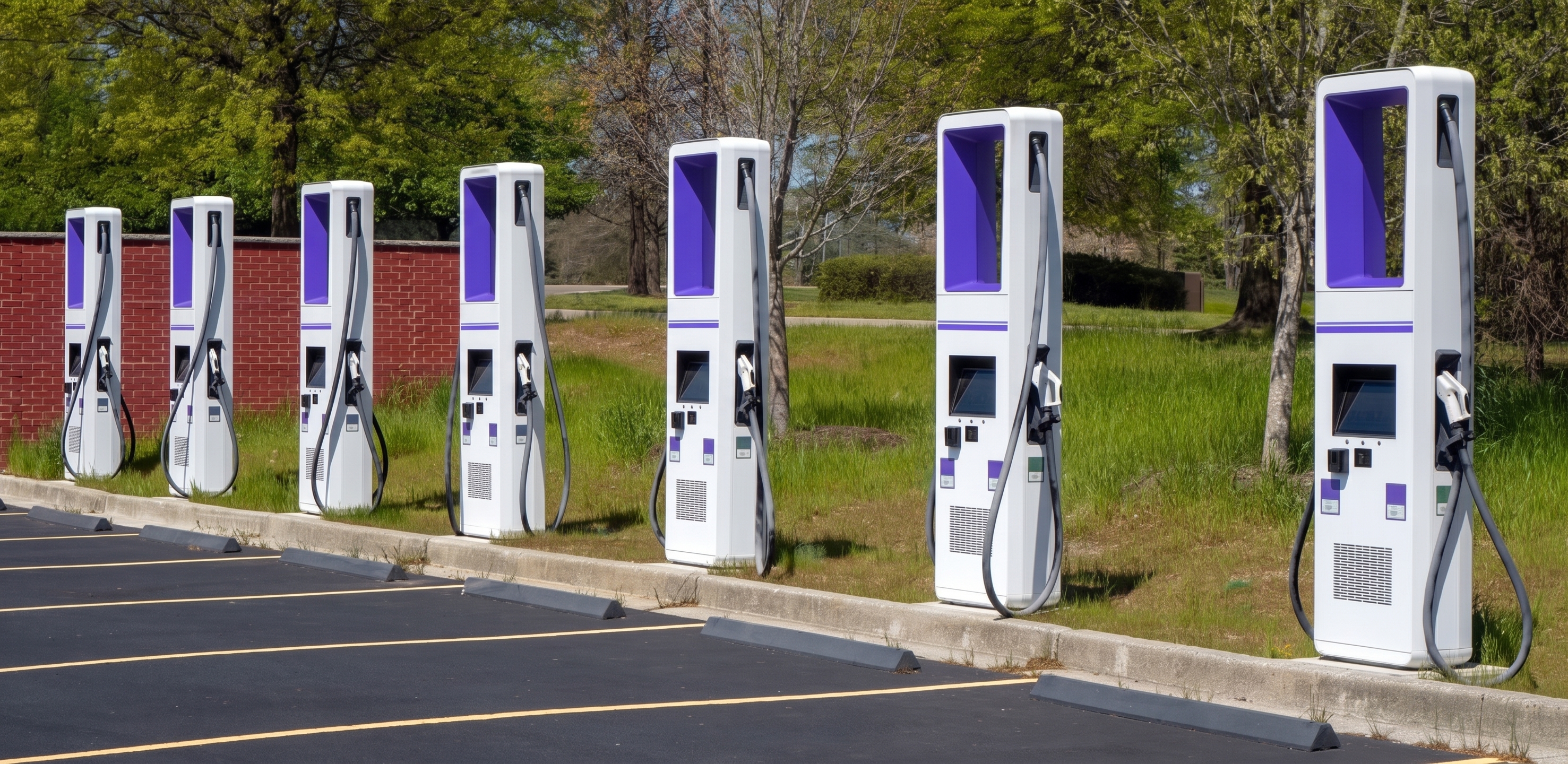
Infrastructure you own, operated as a service.
Obelisk onboards the charging points at every location, prices sessions per audience, monitors availability, and produces the invoices and settlement statements the site needs.
Owners and managers of car parks, retail and leisure sites, hotels and business parks running charging at more than one location.
Charging spread across vendors and sites means separate portals, manual pricing changes and revenue that has to be reconstructed at month end.
A charging bay only earns while it is online and correctly priced. Both are operational questions, and both need one system across the portfolio.
What running a multi-station site takes.
Portfolio view
Every location, charging point and connector in one list, filtered by site, power class or state.
Pricing per audience
Public visitors, tenants and staff on the same charging point at different tariffs, with idle fees where dwell time matters.
Remote control
Reset a charging point, stop a session or take a charging point out of service without dispatching anyone.
Revenue and settlement
Revenue per site and per period, with settlement statements for landlords, operators and partners.
Load management
Serve more bays inside the connection you have, with EMS holding the site under its limit.
Roaming
Connect your chargers to a roaming network so drivers from other apps can use them and you capture more usage.
Driver visibility
Your charging points appear in the Obelisk app with live status, price and access rules attached.
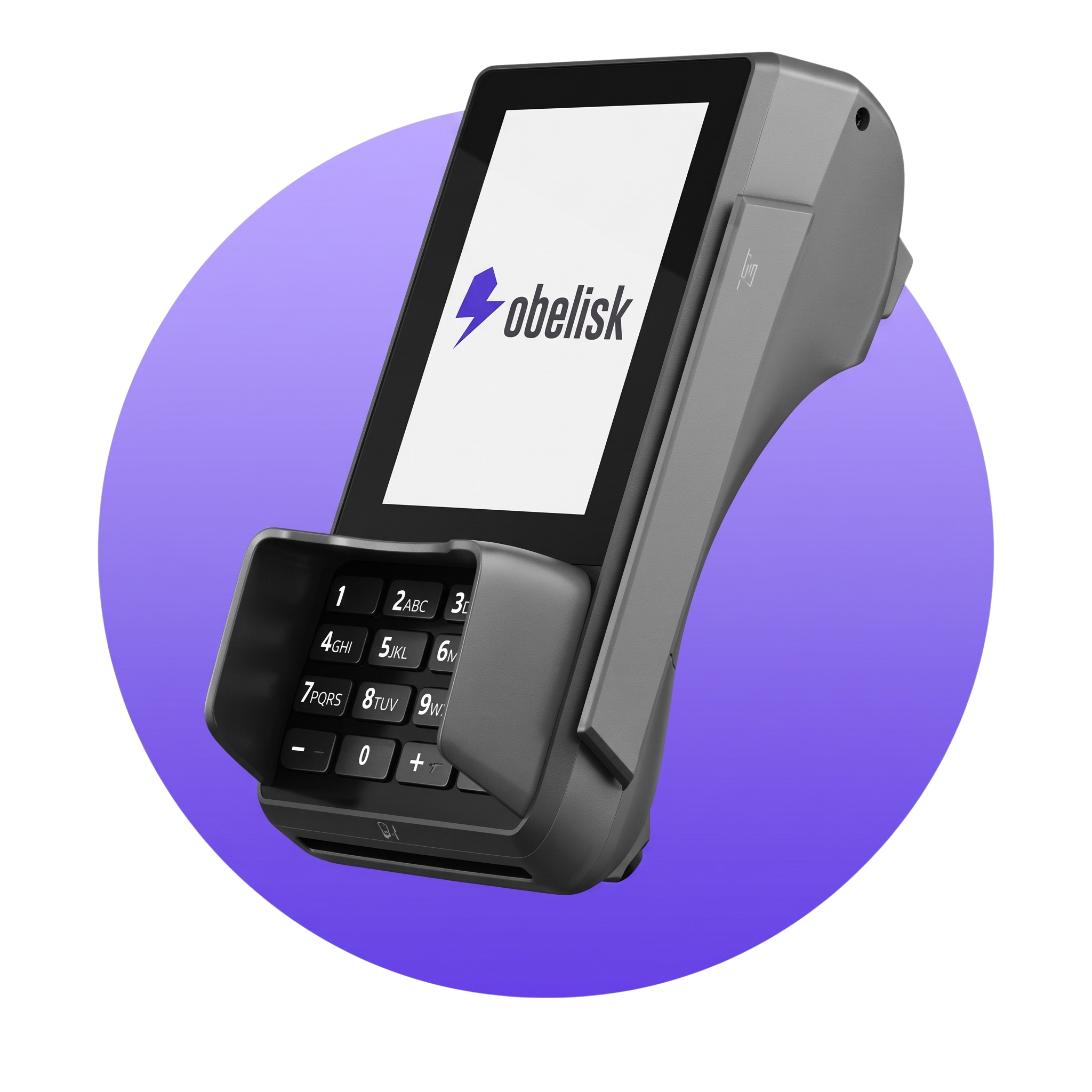
Card payment at the charging point.
Obelisk integrates a payment terminal alongside your charging points, so a driver can tap a card or phone and charge without an app, an account or a sign-up. Contactless, chip and PIN are all supported, and the terminal reads live pricing from the same tariff the platform already applies.
Every terminal transaction lands in the same session record as app and RFID charging, so revenue, receipts and settlement stay in one place.
Fewer site visits, more billable sessions.
Higher utilisation per bay
Faults are caught from live status rather than reported by a driver who has already left.
Revenue you can audit
The session a driver paid for is the session in the settlement report.
Hardware stays a procurement choice
Add any OCPP-compliant vendor to the same dashboard instead of a new portal.
Expansion without a project
New sites join the same tenancy with pricing and reporting already defined.
Questions site owners ask first.
No. Points that speak OCPP 1.6J or 2.0.1 can be re-pointed to Obelisk by changing the backend URL in the charger configuration. We confirm your models against the supported list first.
Yes. Tariffs are set per location and per user group, including time windows, idle fees and free charging for a defined group such as staff or tenants.
Obelisk produces settlement statements per site and per party. Payouts run through the payment provider configured for your tenancy.
Load management usually adds capacity before construction does. We model the site against your connection size and show how many bays it can serve under management.
You can keep support in-house with full session visibility in CPMS, or route it to Obelisk. Both models use the same records, so nothing is re-entered.
Send us your site list and connection sizes.
We will show what each location can serve today, what it can bill, and where load management removes a grid upgrade.