
See where your fleet charges, and control the cost.
Obelisk gives fleet operators one unified dashboard for depot and road charging: where every vehicle charges, what it costs, and which depot or cost centre it belongs to, with billing configured to fit the customer.
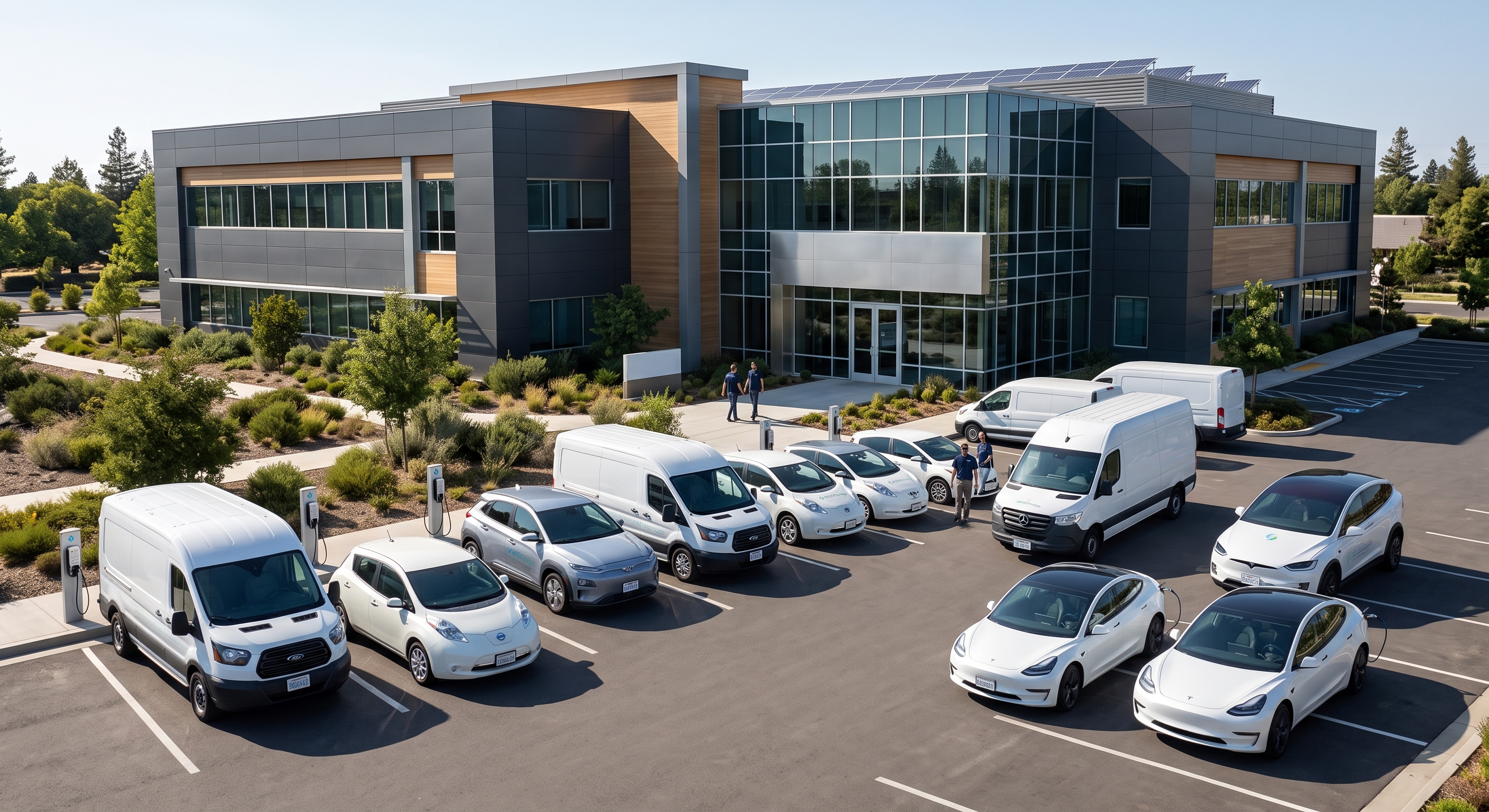
Cost control across the whole fleet.
Obelisk gives fleet managers one unified dashboard for depot and road charging: where every vehicle charges, what it costs, and which depot or cost centre it belongs to, with load management running across the high-power depot chargers.
Logistics, last-mile, bus, taxi and service fleets charging at their own depot, with or without public charging on the road.
Charging cost is scattered across drivers, sites and networks, and billing rarely matches how the business is actually structured.
Fleet electrification is judged on cost control, not on installed kilowatts. Every session needs to be visible, accounted for and billed to the right party.
What fleet charging takes.
Unified dashboard
See where every vehicle charges, on depot or the road, in one view.
High-power load management
Power is shared across high-power depot chargers and held under the site connection at all times.
Cost allocation and billing
Fleet charging is billed on terms configured to fit the customer: per vehicle, per cost centre, per department or per contract.
Every cost to the right payer
Whichever depot, department or cost centre is responsible for a session, the cost is routed and billed to the fleet correctly.
Public charging on account
Road sessions on partner networks are billed to the fleet account and appear in the same records.
Driver identification
RFID or app identification links each session to a vehicle, driver and cost centre.
Costs tracked, billed and paid correctly.
Full visibility of fleet charging
Every session, on depot or the road, in one dashboard.
Costs land on the right payer
No manual reconciliation across depots, cost centres and contracts — every session bills to the fleet account.
Billing that fits the customer
Terms are configured per fleet, not fixed to one scheme.
Grid work deferred
Load management serves more vehicles inside the connection you already have.
Questions fleet managers ask first.
Yes, where they speak OCPP 1.6J or 2.0.1 and accept smart charging profiles. We check your models against the supported list before any commitment.
Billing is configured per customer or per contract: per vehicle, per cost centre, per department, or a scheme specific to the agreement. Reporting stays consolidated across all of them.
Session and cost data can be exported to the fleet system, and departure schedules can be imported where the system exposes them. Integrations are scoped per project.
Drivers use the Obelisk app or an RFID token on partner networks. Those sessions are billed to the fleet account and reported alongside depot charging.
Yes. Priorities, connection limits and tariff windows are configured per depot while reporting stays consolidated.
Send us your depot layout and fleet structure.
We will show how charging cost is tracked and billed across your fleet, and how depot power stays under your connection.